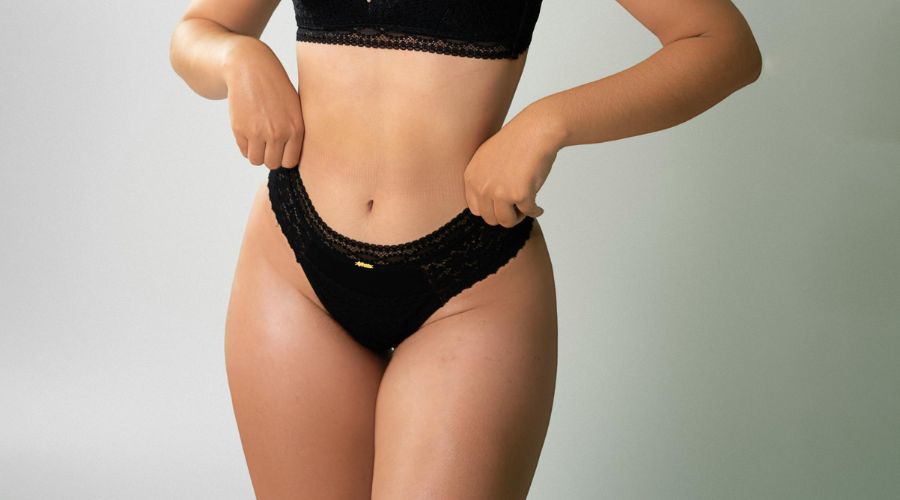
Experiencing swelling after a tummy tuck is a normal part of the natural healing process, but knowing what you can expect and understanding the timeline can help your peace of mind as your body recovers. We get many questions about recovery after a tummy tuck, and one asked very often is, “How long does swelling last after tummy tuck?” This article will give you an overview of the stages of swelling after a tummy tuck and steps you can take to ensure your body heals properly and as quickly as possible.
What Causes Swelling After a Tummy Tuck?
Swelling after a tummy tuck happens because your body is designed to heal itself, and it is one of the first stages of this process. During your tummy tuck surgery, tissue was moved, tightened, and reshaped, so your body reacted to these disturbances by sending extra fluid and cells to repair the injured areas, causing those areas to swell up.
As your body heals, it begins to slowly reabsorb the extra fluid, and the swelling begins to dissipate, and you begin to see the results of your tummy tuck. This is a normal part of healing and the tummy tuck swelling timeline, and is a sign that your body is doing exactly what it was designed to do.
Everybody’s body heals at different rates, and your tummy tuck healing timeline will be a little different from someone else’s, but most post-surgery tummy tuck swelling follows a somewhat predictable pattern.
Tummy Tuck Swelling Timeline
Everyone always wants to know what they can expect in the way of swelling day by day during their tummy tuck recovery.
First Week
The first week after your tummy tuck is when swelling is usually the worst as fluid begins to build up, causing your abdomen to look swollen and feel firm or tight.
During the first three days, your swelling will be at its peak and will be mainly affecting your lower abdomen and around your incision. You will not be able to stand up straight yet, you will need to move around in a hunched over position.
During days 4-7, swelling should stop getting worse at this point and may even begin to dissipate. Your compression garments will be critical to prevent more fluid buildup.
What to Expect
- Your abdomen may look puffy and feel tight or hard to the touch. This happens because fluid and inflammation are highest during the first several days.
- Bruising can occur near the incision sites and in your lower abdomen, and the areas may feel sore as the tissue adjusts and begins to heal.
- You will be given instructions on how and when to wear your compression garments, but it is usually all the time during the first several weeks as you heal. These special garments help limit fluid buildup, provide stability for the healing tissue, and help you feel more comfortable.
- Getting enough rest is very important during the first part of your recovery, but you will also need to incorporate some light movement into your day to lower the risk of blood clots and keep your blood circulating to help reduce fluid buildup and swelling without putting stress on your incisions.
Weeks 2 And 3
During weeks two and three, your swelling should slowly start to decrease, but it is still very noticeable and may continue to cause discomfort. Most people are surprised that their swelling is not going away faster. They feel that after 3 weeks post-op, tummy tuck swelling should be much less noticeable. Your abdomen may still feel tight and firm and may get worse as it gets later in the day.
What to Expect
- Your abdomen may look less swollen than it did during week one, but you will still have some puffiness as fluid continues to slowly move out of your body.
- Many people notice more swelling in the evening after they have been standing or walking during the day, with swelling improving after they have rested.
- You will need to continue wearing your compression garments to keep residual swelling down to a minimum.
Weeks 4 through 6
By this time, most patients can see noticeable improvements in their shape, and after 4 weeks post-op, tummy tuck swelling should be milder, and by 6 weeks post-op, tummy tuck swelling should have gone down enough to reveal a flatter, but still a bit puffy, abdominal area.
What to Expect
- Most of your major swelling has gone down, but small amounts of swelling may still be present and become more noticeable, especially by the end of the day.
- You should find it easier to move around and be able to perform some of your normal activities comfortably. This movement will help get your circulation moving so your body can eliminate excess fluid faster.
- Your tummy tuck results should be a bit easier to see, because much of the swelling has gone down.
Three to Six Months
From three months and going forward, your swelling will continue to fade slowly. Patients often ask how long does swelling last after a tummy tuck, and they are surprised to learn that mild swelling can last up to six months or longer.
Tips to Reduce Swelling after Tummy Tuck
Everyone’s body is different, so you will heal at your own rate, but there are some things you can do that can make your healing journey go more smoothly and keep the swelling down to a minimum.
- Wear Your Compression Garments
- Your surgeon will give you instructions on how to wear your compression garment and how long to wear it. These garments are specifically designed to help control swelling and ease your discomfort. They also hold the healing tissue in a stable position so it is not easily jostled during your movements and can heal properly.
- Stay Hydrated
- It is important that you drink enough water to help your body flush out the extra fluid. Drinking enough water helps your body release extra fluid instead of holding on to it. When you are dehydrated, your body tries to protect itself by storing fluids, which can make your swelling worse. Staying well hydrated shows your body that it does not need to retain fluids.
- Lymphatic Massage
- This special type of massage is designed to eliminate fluid from your body. Many surgeons suggest lymphatic massages to patients to help with swelling after tummy tuck surgery.
- Get Light Exercise
- Light walking helps get your circulation going and helps to reduce swelling. You should avoid heavy lifting (this may include lifting a child) or intense workouts until your surgeon says it is safe.
- Eat Healthy
- Eat foods that are known to help reduce swelling and stay away from unhealthy options.
What to Eat After a Tummy Tuck to Reduce Swelling
The foods that you eat will go a long way to helping your body heal properly. Your body can only use the materials you give it to help heal from surgery. Concentrate on eating foods that help reduce swelling and boost your immune system, and avoid those that are known for exacerbating it.
Eat omega-rich foods like salmon and walnuts, and fruits, veggies, and foods that have high water content like pineapple, papaya, spinach, kale, and Swiss chard, and avoid foods that are processed, fried, or contain refined sugars, excessive salt, and alcohol. Some of the food choices that will help your body heal faster include:
- Omega-3-rich foods like salmon, walnuts, and flaxseed can help reduce inflammation
- Fruits like pineapple and papaya contain protease enzymes that your body can use to digest proteins and are known to reduce swelling and inflammation.
- Berries like blueberries, strawberries, and blackberries contain antioxidants that help combat inflammation.
- Leafy greens like spinach, kale, and Swiss chard are rich in vitamins and antioxidants that help control inflammation and give your body the nutrients it needs to heal properly.
- Turmeric and ginger are both natural anti-inflammatory spices and can be added to meals or teas
- Cucumber and celery help reduce fluid retention and help hydrate your body.
- Olive Oil contains compounds that naturally reduce inflammation.
Track Your Progress
Many patients find it helpful to take before and after pictures of their tummy tuck and their healing progress along the way. Looking at the pictures of swelling after your tummy tuck can help you see subtle changes during each stage so you will not get discouraged. You can compare the pictures and recognize the gradual improvements that are occurring over the weeks of your recovery. We invite you to check out our gallery of tummy tuck before and after pictures of real patients and real results.
When to Call Your Doctor
If your swelling gets worse after a few weeks, or if you have a fever, are experiencing severe pain, or have redness that spreads or feels hot to the touch, contact your surgeon right away. These could be signs of infection, and you need to have it checked out right away.
If you are considering undergoing a tummy tuck and wish to learn more about the surgery or the recovery, set up a consultation with the team at IBI Plastic Surgery & Med Spa. They will help guide and support you through your tummy tuck surgery and through your recovery process and beyond.
FAQs
How Long Does Swelling Last After a Tummy Tuck?
Swelling after a tummy tuck can last several months, with the heaviest swelling usually taking place during the first one to two weeks. Most patients see gradual improvements over the first four to six weeks, but mild swelling can occur intermittently for up to six months as your body completely heals.
Is Swelling Still Normal Two or Three Weeks After a Tummy Tuck?
Yes. Tummy tuck swelling 2 and 3 weeks post-op is very common, but it should begin to go down during this time. Many people report that their swelling gets worse as the day goes on and their belly starts to feel tighter and look bigger.
What Should I Expect at Four to Six Weeks After Surgery?
By 4 to 6 weeks, post-op tummy tuck swelling should be greatly improved, and your abdomen should look flatter. Many people still have mild swelling that may become more pronounced later in the day, but may improve after resting.
Do Compression Garments Really Help With Swelling?
Yes. Wearing your compression garment as your surgeon prescribes does help to control swelling and helps stabilize the incisions and tissue that is healing. This helps keep swelling down to a minimum and helps ease discomfort.
When Should I Worry About Swelling?
You should contact your surgeon right away if swelling suddenly gets worse, feels very painful, or the area is red and warm, and if you have a fever.